
Negotiation Skills 101 : Samad Shoeb's Complete Guide to Winning Conversations
Ever walked out of a conversation and thought, “I should’ve said that differently”? Maybe it was a salary talk. Maybe it was a group project where nobody wanted to do the boring part. Or maybe it was something as small as convincing your parents to let you stay out an hour later. Negotiation shows up everywhere, honestly, and most of us were never taught how to actually do it; we just kind of stumble through it and hope for the best. This guide is for anyone genuinely trying to figure out how to improve negotiation skills, without the corporate jargon that usually comes attached to this topic. It’s built around what Samad Shoeb teaches students and working professionals at Oratrics: how to think before a conversation, how to listen during one, and what to avoid so you don’t shoot yourself in the foot.
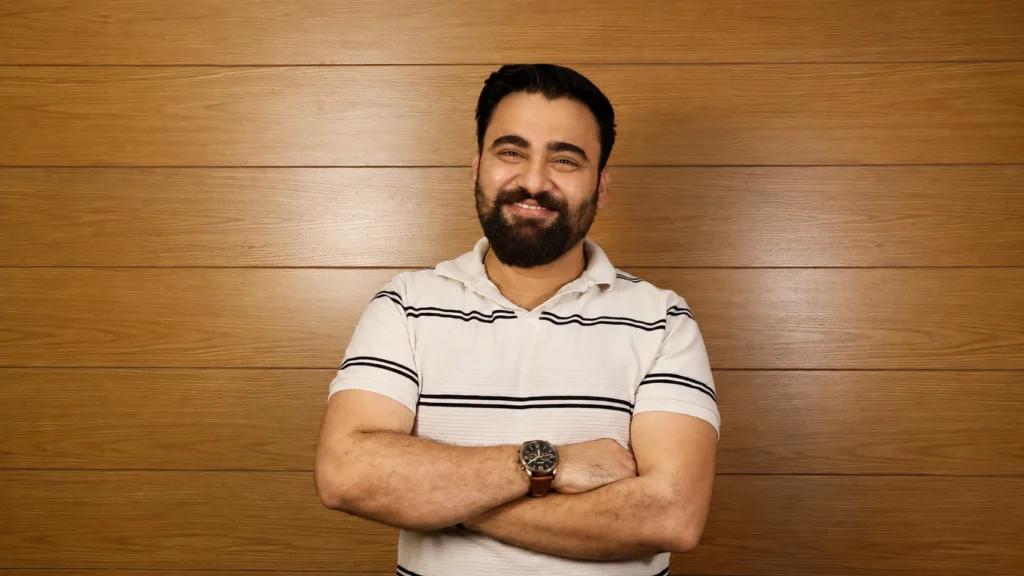
What is Negotiation Skills ?
Here’s a misconception worth clearing up first, negotiation isn’t about winning an argument or making the other person back down. At its core, it’s just a conversation where two sides are trying to land somewhere that works for both of them. Sometimes that’s a student asking a teacher for a deadline extension. Sometimes it’s two friends arguing (nicely) about which movie to watch. Sometimes it’s a lot higher stakes than that.
Samad Shoeb puts it simply when he talks to students, negotiation has less to do with talking and a lot more to do with understanding. And that tracks, if you think about the people you know who are actually good at this. They’re rarely the loudest ones in the room. They’re the ones who listen, stay calm even when things get a little tense, and seem to already know what they want before the conversation has really begun.
Here’s a small example that makes this click for a lot of students. Picture two kids negotiating over who gets to present first in a group project. One kid just says “I want to go first” and leaves it there. The other asks a question instead “why does it matter to you who goes first?” and finds out the first kid is nervous and wants to get it over with before overthinking it. Now there’s actual information to work with, instead of two people just repeating their positions at each other. That’s basically the whole game, scaled up.
Core Negotiation Tactics and Principles
There are a handful of principles that show up again and again in almost every negotiation that actually goes well. None of them are complicated. Most of them just require a bit of discipline.
Know your walk-away point : Decide, ahead of time, what the lowest outcome is that you’d still be okay with. If the conversation doesn’t hit that mark, you walk. Sounds simple, but very few people actually do this. They go in hoping for the best and figure out their limits mid-conversation, which is exactly when you don’t want to be figuring things out.
Separate the person from the problem : Disagreements get personal fast, especially when emotions are involved. But you’re not there to “beat” anyone. You’re there to solve a problem. Once you keep those two things separate in your head, the whole tone of the conversation changes.
Go for mutual gain, not a one-sided win : A deal that leaves the other person feeling cheated doesn’t really hold up; they’ll remember it, and it’ll come back to bite you later, whether that’s in a classroom, a friendship, or a business relationship.
Anchor, but do it thoughtfully : Whatever number or position gets put on the table first tends to shape everything that follows. This doesn’t mean going in with something wildly unreasonable. It just means opening in a way that leaves you room to move without undervaluing yourself from the start.
Don’t underestimate silence : This one surprises people. Most of us rush to fill a quiet moment because silence feels awkward. Samad Shoeb points out that a well-timed pause often does more work than a sentence where the other person tends to jump in and reveal something, just because they can’t sit quietly.
None of this is manipulation, by the way it’s just structure. And structure is really what most people are missing when a negotiation falls apart. Not talent, not charisma. Structure.
How to Prepare for a Negotiation Step by Step
Most negotiations are decided before anyone even sits down.
The prep work is where the real advantage comes from not in the room, but before it. Here’s how to prepare for a negotiation step by step, more or less the way Samad Shoeb walks students through it at Oratrics.
First, write down exactly what you want
Not a vague sense of it actually writing it out. Vague goals tend to produce vague, wishy-washy outcomes, and you’ll notice this the moment you try to explain your position out loud and realize you don’t fully know what it is.
Spend a little time thinking about the other side too
What do they actually care about? What might they be dealing with that you don’t know about? This step gets skipped constantly, and it’s a shame, because even five minutes of this changes how you approach the whole thing.
Figure out your alternatives while you’re at it
If this particular negotiation doesn’t work out, what’s your next best option? This matters more than people realize knowing you have a backup takes the desperation out of your voice, and desperation is something people can sense even when you’re trying to hide it.
Plan your opening move too
Are you leading with an offer? A question? A statement of where you stand? Decide before you walk in, because winging the opening line rarely goes well.
Think through the objections while you’re planning
What’s the other person likely to push back on? Have a calm response ready so you’re not caught scrambling at the moment. And actually practice out loud this last step gets skipped the most, but it matters the most too. With a friend, a mentor, in front of the mirror, whatever works. There’s a real difference between a plan that sounds good in your head and one that’s actually been said out loud once or twice.
Skipping this whole process is probably the single biggest reason negotiations fall apart. Even a rushed five minutes of thinking beforehand puts you ahead of most people walking into that same room.
Active Listening Techniques for Negotiation
Here’s something most people get wrong, and it trips up even experienced professionals: they assume negotiation is about talking convincingly. It’s really not. The strongest negotiators, more often than not, spend far more time listening than they do speaking. Active listening techniques for negotiation are what help you catch what someone actually needs, which more often than you’d think isn’t the same as what they said out loud in the first sentence.
A good place to start is paraphrasing
Just repeat back what you heard, in your own words. It confirms you actually understood, and it shows the other person you were paying attention instead of just waiting for your turn to speak.
Open-ended questions help too
There’s a real difference between asking “Is this a problem for you?” and asking “What’s making this difficult on your end?” The second one gets you an actual answer instead of a yes or no.
Pay attention to what isn’t being said, as well
A hesitation, a change in tone, a pause that goes on a beat too long these often tell you more than the words themselves do.
Try not to interrupt, even when you disagree with what’s being said (this one’s hard, we know). Let the person finish. Cutting someone off usually shuts down the flow of information and puts them on the defensive, which is the opposite of what you want.
And stay curious rather than defensive
If something catches you off guard or feels unfair, resist the urge to react right away. Ask a follow-up question instead it almost always gets you further than pushing back immediately would.
Samad Shoeb tells students something that’s stuck with a lot of them: the person who listens best usually negotiates best. Not because listening is a “nice” thing to do, but because that person is simply working with better information than everyone else at the table.
Common Negotiation Mistakes and How to Avoid Them
Even people who genuinely mean well stumble here, over and over, in pretty predictable ways. So let’s go through some common negotiation mistakes and how to avoid them. Chances are you’ve made at least one of these, and that’s fine, everyone has.
Talking too much is probably the most common one
Nerves make people over-explain, and before they know it they’ve talked themselves into a worse position than where they started. The fix is almost embarrassingly simple: prepare a short opening line in advance, say it, and then stop. Let the silence sit there instead of rushing to fill it.
Accepting the first offer too fast is another
Usually this comes from wanting to avoid awkwardness or conflict, but it tends to leave value on the table that you don’t need to give up. Next time, just pause. Even something as basic as “let me think about that for a second” buys you the room you need to respond properly instead of reflexively.
There’s also making things personal and understandable slip, since disagreements naturally stir up emotion. But once it gets personal, the conversation usually goes downhill fast. If you feel that happening, it’s fine to take a short break and come back to it once things have cooled off a bit.
Not having a clear goal trips people up constantly, too. Walking in without knowing exactly what you want leads to a conversation that just meanders without really landing anywhere. Write your goal down beforehand. Same with your walk-away point.
Last one ignoring what the other side is dealing with
Pushing hard without understanding their limits might get you a short-term win, but it tends to damage trust in a way that costs more later. Ask questions early. Understand their situation before you start making demands.
None of these mistakes require a personality overhaul to fix, by the way. Just a bit of awareness, and a little practice most people get better at this within a few tries.
Why Negotiation Skills Matter for Students and Professionals
Negotiation isn’t really a boardroom-only skill, even though it gets talked about that way most of the time. Students use it constantly to group projects, grade discussions, sorting out conflicts with friends. Professionals use it just as often, whether that’s salary talks, client calls, or the small negotiations that happen inside a workplace every single day without anyone calling them that. At Oratrics, Samad Shoeb treats negotiation as a life skill rather than a corporate one, which is part of why it sits alongside the personality development, confidence-building, and public speaking programs instead of being off in its own separate box.
And building this early matters beyond just the big, obvious moments. It changes how young people talk, how they stand up for themselves, and how they handle disagreement without it turning into a fight and honestly, that shapes a lot more of life than most people give it credit for.
Conclusion
Getting better at negotiation isn’t about becoming pushier or more aggressive if anything, it’s the opposite. It comes down to preparing properly, listening more than you speak, and walking into a conversation with a real sense of what fairness looks like for both people involved. Start small. Try applying the preparation steps before your next mildly important conversation, not just the big scary ones. Notice how much more you actually pick up once you’re really listening instead of just waiting to talk. Do that consistently, and the confidence builds on its own not just in negotiations, but in how you communicate generally.
FAQs
The fastest way is consistent practice combined with preparation. Before every negotiation, take a few minutes to define your goal and think through the other side’s perspective. Small, repeated practice in everyday situations builds confidence quickly.
Negotiation is a learnable skill, not an inborn talent. While some people may be naturally more comfortable with conversation, the actual techniques of preparation, active listening, and staying calm under pressure can be taught and practiced by anyone.
Active listening is often considered the most important skill. Understanding what the other person actually needs, rather than assuming, leads to better outcomes for both sides.
Samad Shoeb’s approach focuses on real-life scenarios, roleplay practice, and building negotiation skills alongside public speaking and confidence-building, so students learn to apply these techniques in everyday situations rather than just theory.
Accepting the first offer without pausing to think is one of the most common mistakes. Taking a moment before responding even a short pause often leads to a better outcome.