
How to Master Storytelling: Samad Shoeb's Proven Framework for Captivating Any Audience
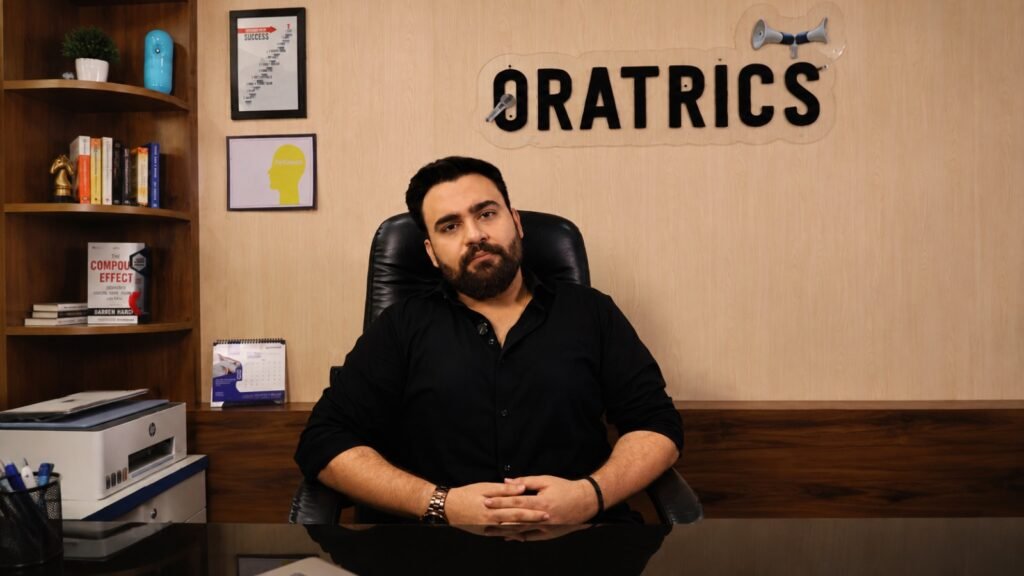
If you’ve ever wondered how to master storytelling, here’s the good news you’re not missing some rare gift. Watch any speaker, leader, or brand you actually admire, and you’ll notice they’re all doing the same thing: telling a story people remember. Samad Shoeb, founder and CEO of Oratrics, has spent years teaching this exact skill to students and working professionals in 22+ countries. I want to walk you through his framework here, in plain language, so you can start using it whether you’re on a stage, pitching an idea, or just trying to hold your kid’s attention at dinner.
Storytelling isn’t something you’re born with. It’s a skill. Skills can be learned.
Why Storytelling is Important ?
We’re drowning in noise these days. Facts and data are everywhere, but on their own, they rarely change anyone’s mind. Stories do that job instead. A good one creates emotion, builds trust, and sticks around in a way no bullet point ever will.
That’s part of why storytelling techniques have become a genuine leadership skill and not just something reserved for “creative types.” Doesn’t matter if you’re a student presenting in class, a professional pitching investors, or a parent trying to get a lesson to actually land narrative structure hands you something logic alone can’t.
Samad Shoeb has a line he repeats often to his students at Oratrics: “People forget statistics. They remember stories.” Honestly, that one sentence is the whole framework in miniature.
Samad Shoeb's Storytelling Framework: The Four Pillars
After coaching thousands of students through Oratrics’ public speaking and personality development programs, Samad Shoeb settled on something simple and repeatable a framework for effective storytelling built on four pillars.
1. The Hook : Earn Attention in the First 10 Seconds
Every good story opens with a hook. A surprising fact, a bold question, an image that pulls the listener in before they’ve even decided to pay attention. Samad Shoeb points out, and I think he’s right, that most speakers lose their audience in the first ten seconds simply because they open with background instead of intrigue.
Tip: Drop people into the middle of the action, not the start of an explanation. Skip “Let me tell you about a time I failed” and try something closer to “The stage lights went off, and I had absolutely nothing to say.”
2. The Struggle : Build Real Emotional Connection
People don’t connect with perfection. They connect with struggle. This is probably the most underrated of the storytelling tips in this whole framework share the doubt, the setback, the fear that showed up before things finally worked out. That’s where real emotional connection actually happens, and it’s what separates a story someone remembers from one they forget by lunch.
Samad Shoeb often brings up his own early days building Oratrics as an example the uncertainty, the rejections, the small wins that kept things moving. That kind of honesty is what makes a story feel true instead of rehearsed.
3. The Turn : Show the Shift
Every story needs a turning point. A moment where something changes a decision, a flash of clarity, a bit of courage that wasn’t there a minute earlier. It doesn’t need to be dramatic. It just needs to be honest. This, more than anything, is the heart of narrative structure — it’s what gives a story a sense of direction instead of just drifting.
4. The Takeaway : Give the Audience Something to Carry Home
Skip the takeaway and you’re left with an anecdote, not a story. This last pillar ties everything back to a lesson or an action your listener can actually use afterward. It’s the difference between having storytelling skills and having real influence because people don’t just remember what you said, they remember what to do next.
Practical Storytelling Techniques You Can Start Using Today
A handful of simple techniques from the Oratrics public speaking curriculum pair well with the four pillars above:
- Use sensory details : Skip “it was a hard day” and try describing rain against a window, or the weight of a bag pulling on your shoulder. Sensory language is what makes a story feel real instead of summarized.
- Keep sentences short at key moments : Short, punchy lines build tension especially right before your turn.
- Practice out loud, not just in your head : Storytelling is a spoken skill, and you’ll catch awkward phrasing out loud that you’d never notice reading silently.
- Match your tone to the content : A serious story wants a slower pace and a lower voice. A lighter one can move quicker and carry more energy.
- End with silence, not an apology : So many speakers undercut a strong story by rushing straight into the next slide. Let the takeaway sit for a beat before moving on.
None of this is complicated, honestly. But done consistently, it’s usually what separates confident public speaking from nervous rambling.
How This Framework Applies Beyond the Stage
This framework has worked across every corner of Oratrics — from personality development for kids to leadership coaching for working professionals — for one simple reason: storytelling was never just about formal speeches. You’ll find it in:
- Job interviews, where a well-told story about overcoming a challenge lands harder than any list of skills.
- Business pitches, where investors remember the founder’s story long after they’ve forgotten the numbers on the slide.
- Everyday conversations, where a good story builds rapport faster than small talk ever could.
- Parenting and teaching, where kids soak up a lesson wrapped in a story far more easily than one delivered as an instruction.
Which is also why brand storytelling and personal storytelling lean on the exact same structure underneath. The audience changes. The framework really doesn’t.
Common Mistakes That Weaken a Story
Even people who understand the structure still trip over a few familiar traps:
- Too much background : Your audience doesn’t need every detail just the ones that actually matter.
- No real struggle : A story that glides smoothly from start to finish rarely feels believable.
- Rushing the ending : The takeaway deserves just as much care as the hook.
- Too many filler words : “Basically,” “so yeah,” and similar habits quietly drain the emotional weight right out of a story.
Avoiding these is often just as important as nailing the framework in the first place.
Common Mistakes That Weaken a Story
Learning how to master storytelling isn’t going to happen overnight, but it’s a lot simpler than most people assume. With a clear structure Hook, Struggle, Turn, Takeaway anyone can start shaping their own experiences into stories that genuinely land. Samad Shoeb built this approach over years of working with real students and professionals, and it’s still one of the core teachings inside Oratrics’ public speaking and personality development programs.
So next time you’ve got something worth saying, don’t just explain it. Tell it.
FAQs
Start with the four-pillar framework — Hook, Struggle, Turn, Takeaway — using a simple personal experience. Practice it out loud and record yourself so you can hear your pacing and tone.
It’s learnable. With practice and the right framework, anyone can get noticeably better at structuring and delivering a story that lands.
Explaining hands over information. Storytelling wraps that same information in an emotional journey, which is why it sticks and why it actually persuades.
Samad Shoeb, founder and CEO of Oratrics, developed it over years of coaching students and professionals in public speaking and personality development.
Yes, it works just as well for job interviews, business pitches, brand storytelling, and everyday professional conversations.