
Future Skills for the Workplace: What Employers Will Actually Look For by 2030
I was talking to a friend last month who handles hiring at a mid-sized company, and she said something that’s stuck with me since. She’s basically stopped asking candidates what software they know. Instead she asks how fast they can pick up something new. That one small shift tells you almost everything about where hiring is headed. So if you’ve been trying to figure out the most demanding skills in future workplaces, you’re asking the right question, and honestly, at the right time too. Whether you’re thinking about your own career or trying to prepare your kids for whatever comes next, this is worth sitting with for a bit.
No jargon here, just what’s actually changing and what you can do about it.
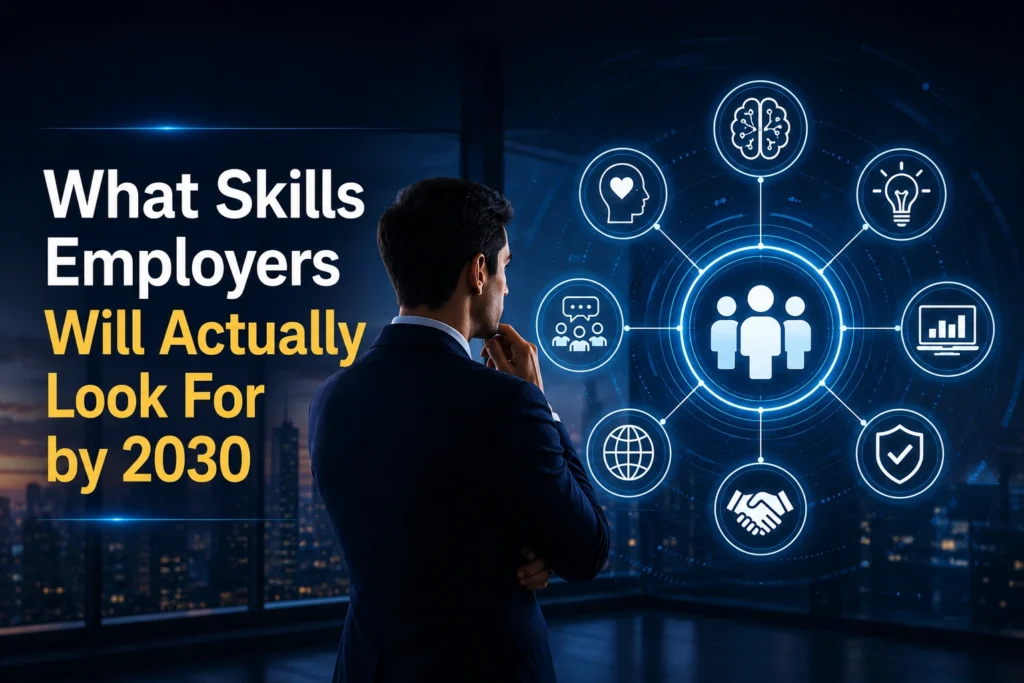
Why "Future Skills" Are Different From Traditional Job Skills
Go back even ten years and the formula was simple. Learn one thing well: accounting, a trade, a piece of software and that skill would carry you for decades. Employers hired for depth in a single area and left it at that.
That’s not really how it works anymore. AI has taken over a lot of the repetitive, rule-based tasks, so the future skills that actually matter now lean toward things machines still struggle with judgment calls, adapting on the fly, working well with people (and increasingly, working alongside AI tools too).
What that really means is employers have stopped asking “can this person do the job as it exists right now?” They’re asking something trickier: will this person still be useful once the job itself changes? That’s a much harder thing to hire for, honestly.
The Most in Demand Skills for the Future 2030
I dug through a bunch of hiring reports and workforce studies for this, but honestly some of the best insight came from just talking to people across different industries. A handful of skills kept coming up over and over, so here’s the rundown.
1. AI and Digital Fluency
You don’t need to learn to code. But being comfortable using AI tools day to day, knowing where they’re strong and where they mess up, checking their output instead of blindly trusting it, that’s becoming close to non-negotiable. People who avoid these tools entirely are already starting to fall behind in some workplaces, and that gap is only going to widen.
2. Critical Thinking and Problem-Solving
Here’s the thing nobody really talks about enough: when anyone can get an answer in ten seconds from an AI tool, finding an answer isn’t the valuable part anymore. Knowing whether that answer actually holds up, whether it fits your specific situation, that’s the part employers are desperate for. It’s also, conveniently, the one thing that’s genuinely hard to fake in an interview.
3. Emotional Intelligence
This one catches people off guard, but it makes total sense if you think it through. As machines pick up more of the routine work, the human parts of a job reading a room, handling conflict without it blowing up, just staying patient when things go sideways become more valuable, not less. It’s quietly turned into one of the most demanding skills in future leadership roles in particular.
4. Communication Skills
This has always mattered, sure, but what it looks like is shifting. It’s less about nailing a big presentation and more about writing a clear email, or explaining something complicated in three sentences instead of rambling for ten. Nearly every role expects this now, not just the client-facing ones.
5. Adaptability and Continuous Learning
If I had to pick the single most important one on this list, it’s probably this. Skills that felt cutting-edge two years ago are already outdated in some fields. What employers actually want is proof of an ongoing habit of learning, not a certificate someone got three years ago and never touched again.
6. Data Literacy
You don’t have to be a data analyst for this to apply to you. But if someone hands you a dashboard or a report, can you actually make sense of it and use it to decide something? That expectation has quietly crept into almost every job now, even the ones that have nothing to do with spreadsheets.
7. Collaboration Across Digital and Hybrid Teams
Hybrid work isn’t going away for a lot of industries, whether people like it or not. Working well with others across time zones and chat tools and totally different communication habits, without someone hovering over you to check in, is its own skill. A lot of people are still figuring this one out, honestly.
8. Leadership at Every Level
Leadership used to come with a title attached. Not anymore. Employers now look for people who take initiative and back up their team even when “manager” is nowhere in their job description.
9. Creativity and Original Thinking
As AI swallows up more of the templated, repetitive work, what’s left is the stuff that genuinely needs a human brain behind it coming up with something new, solving a problem in a way nobody’s tried before. That’s turning into a real differentiator, not just a nice bonus to mention in an interview.
10. Financial and Business Literacy
Even if you’re nowhere near the finance team, understanding how your decisions affect cost or revenue helps you make smarter calls in your own lane. It’s a small thing that ends up mattering way more than most people expect.
What Samad Shoeb Are Actually Saying
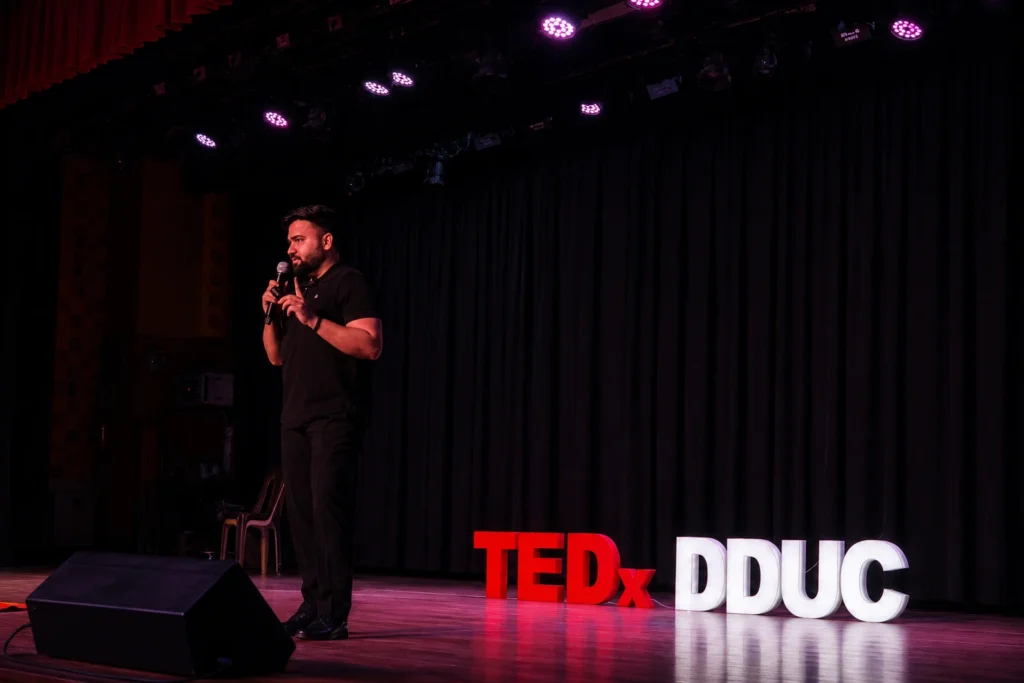
If there’s one pattern I kept running into across hiring trends and workforce reports, it’s this: technical skills get you the interview, but adaptability, communication, and critical thinking are what actually get you hired and promoted after that. A lot of companies are now putting real money into training for these human-centered skills instead of treating them as some afterthought bolted onto technical training.
This matters for anyone serious about their own career. But it matters even more for parents and educators trying to prepare kids for a job market that’s going to look pretty different by the time they actually step into it.
How to Start Building These Skills Today
The good news? You don’t need to wait around for some formal program to start on this. A few things that genuinely help:
- Practice explaining complicated ideas simply try it on a colleague, a friend, or even just in writing.
- Spend actual time with AI tools in your own field, even in small, low-stakes ways.
- Ask for feedback regularly, not just once a year at a review.
- Say yes to cross-team projects. They build collaboration skills faster than almost anything else.
- Read outside your usual field, It sharpens critical thinking in ways you won’t notice right away, but it adds up.
- Pick up something new every few months: a course, a tool, a book and actually follow through on it this time.
For students and young professionals, building these habits early puts them years ahead of where most people even start.
Conclusion
None of this is about turning into a different person overnight. It’s about strengthening the parts of yourself that stay genuinely useful, no matter where technology takes the workplace next. The most in-demand skills for the future 2030 aren’t some distant mystery. They’re skills anyone can start working on today, with a bit of consistency and the right guidance along the way.
FAQs
Skills like AI and digital fluency, critical thinking, emotional intelligence, communication, and adaptability keep coming up as the most demanding, mostly because they apply across nearly every industry and role.
Yes, they will. But they work best paired with human skills like communication and adaptability, which help people actually put their technical knowledge to use as situations change.
Starting early with communication, financial literacy, leadership, and critical thinking, through structured programs and steady practice, gives students a real head start before they even enter the workforce.
Not really. Skills like emotional intelligence, adaptability, and collaboration hold up well across almost every industry, whether that’s corporate work, creative fields, or technical professions.